Water Damage Mold Cleanup in Startup, WA
Mold removed from water-damaged walls, carpet and cavities in your Startup property. Call 24/7 to arrange your assessment and cleanup.
- Water source checked first
- Contained removal and HEPA filtration
- Cleaning through final drying checks
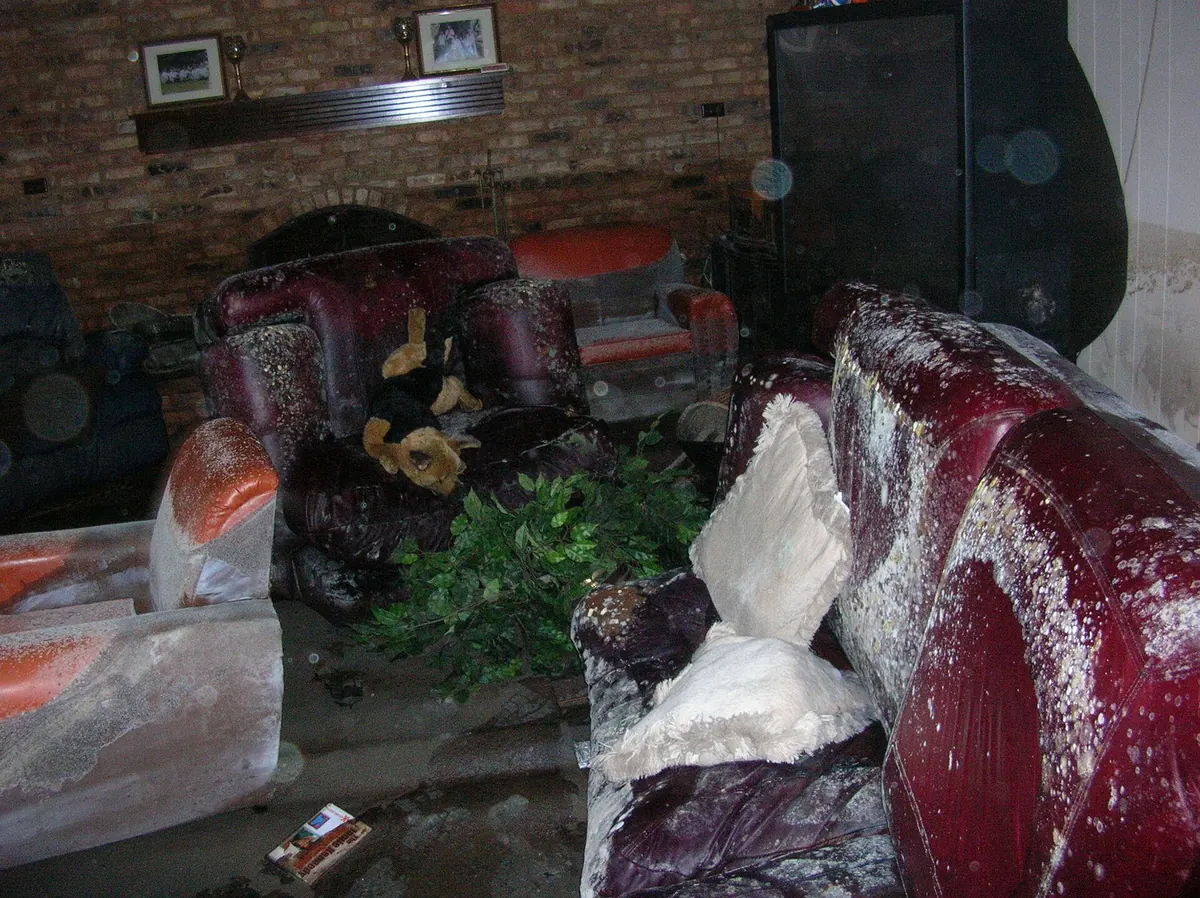
Water Damage Mold Cleanup Services for Your Startup Property
Water damage mold cleanup clears growth from your cavities, walls and flooring. Framing and subfloors are assessed together with drywall, insulation and carpet that are wet.
Your appliance leak, burst pipe or flood may leave moisture out of sight. Extraction safely removes the standing water, while containment supports removal of growth that drying leaves behind.
Water damage restoration has a separate place in your documented scope, alongside distinct mold removal and rebuilding work. Mapping moisture comes before repairing leaks, cleaning up and completing drying.
- Hidden moisture checks and water path evaluation
- Contained drywall and carpet removal
- Sound framing and subfloor cleaning
- Structural drying and dehumidification
- Final cleaning and moisture checks
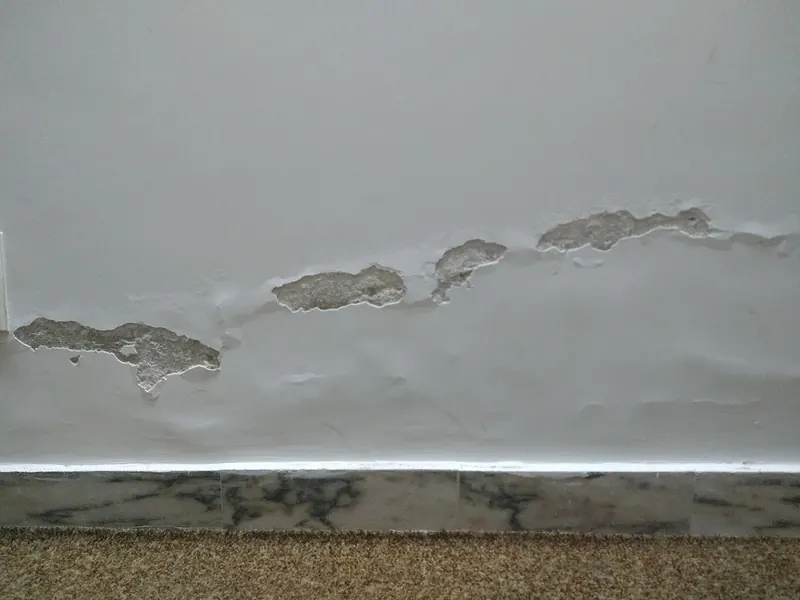
When You Need Water Damage Mold Cleanup
After water loss, arrange assessment if you notice persistent dampness, visible mold or musty smells.
Wall Swelling Close to a Water Leak
Look for possible hidden damage when drywall softens, flooring lifts or paint bubbles.
Wet Materials After Extraction
Damp walls or carpet padding remain after your standing water clears.
Dark Patches After Water Damage
Where water traveled, spots on your wall backing or baseboards may indicate growth. A stain by itself cannot confirm mold.
Growth Across Several Water-Damaged Rooms
You notice visible mold growth beneath the leak on shared walls or overhead ceilings.
A Dry-Looking Room With a Musty Odor
Moisture inside walls or behind cabinets may come with a lingering odor.
Water Damage and Mold Remediation Services in Startup
Cleaning, drying and verification all take place with containment still up as part of your mold removal.
Water Damage Assessment
Safe access and materials are assessed for you. Dampness mapping uses a moisture meter, while a thermal imaging camera shows temperature differences without identifying mold.
Water Source and Cleanup Scope
Tracing water intrusion establishes what needs correcting at the source. Leak repair is kept apart from cleanup, with standing water extracted only when safe.
Containment Before Opening Walls
Affected rooms are enclosed by a containment barrier made from poly sheeting. During removal, a HEPA air scrubber works with negative air pressure to restrict dust spread.
Water-Damaged Material Removal
Drywall, insulation and carpet padding that cannot be saved are bagged within containment. Openings reveal damaged cavities, with sound material kept when possible.
Cleaning Retained Surfaces
Cleaning uses appropriate methods for sound framing as well as non-porous surfaces. Residue removal uses a HEPA vacuum; physical cleaning cannot be replaced by antimicrobial treatment.
Structural Drying and Dehumidification
After cleaning, controlled air movers and dehumidifiers help with drying. Progress in subfloors and cavities, as well as framing, is tracked through repeated moisture readings.
Verification Before Reopening
Containment removal follows cleaning and drying plus agreed post-remediation verification. Specified clearance testing takes place with an independent assessor before new materials go in.
Why Choose Seattle Mold Removal Services for Water Damage Mold Cleanup
Water Source First
Before defining where removal is needed, your assessment tracks where water traveled.
Calls Answered 24/7
Across the metro, your assessment starts through one number at any hour of day or night.
Clear Scope and Contained Work
Your scope specifies removal and drying alongside separate repairs; affected rooms have containment with HEPA filtration.
Removal Through Final Checks
Before taking down containment, damaged materials come out, retained surfaces receive cleaning and drying is verified.
Water Damage Mold Removal in Snohomish County: What to Do First
Avoid disturbing damaged rooms while you arrange an assessment by phone.
- Stop incoming water. Only operate a reachable shutoff when safe.
- Avoid unsafe access. Avoid sagging ceilings and any electrical equipment that is wet.
- Leave growth undisturbed. Leave moldy materials unscraped and do not pull them.
- Keep suspect HVAC off. A contaminated system could spread mold, according to EPA.
- Keep people away. Keep your children and pets away from the affected area.
Water Damage Mold Cleanup Cost in Startup
Contamination, damage out of sight and drying needs shape your cost. Fixr publishes these overlapping ranges, which should not be summed to price your project.
Combined water and mold damage
$2,700 to $10,000 per jobSource: Fixr, Mold Remediation Cost (checked 2026-10-23)Water damage restoration, average $3,000
$1,200 to $5,000 per jobSource: Fixr, Water Damage Restoration Cost (checked 2026-10-23)Your water damage job: the total mold remediation component
$1,500 to $4,000 per jobSource: Fixr, Water Damage Restoration Cost (checked 2026-10-23)Your mold cleanup item within the water damage work
$4.75 to $5.5 per square footSource: Fixr, Water Damage Restoration Cost (checked 2026-10-23)What Determines Your Water Damage Cleanup Cost
- Time materials stayed wet
- Drying equipment
- Water contamination
- Affected area size
- Material replacement
- Hidden growth access
Understanding Your Price for Water Damage Cleanup
These published national ranges are planning figures. Your on-site assessment defines the work and price before cleanup starts, including any separate source repairs or rebuilding.
Call (844) 352-3560 about costWater Damage Mold Cleanup Service Area Across Greater Seattle
Call (844) 352-3560 to arrange cleanup in Startup or nearby communities. One number covers the metro.
Water Damage Mold Cleanup in Locations Near Startup
Common Questions About Water Damage Mold Cleanup in Startup
How long does cleanup after water damage take in Startup?
The materials left wet and the reach of the water determine your schedule. One accessible room and damp cavities on several floors involve different kinds of work. Removal comes before cleaning and measured drying, with final checks afterward. Work sequence comes from your assessment, with required repairs included before rooms are usable again.
Is the water leak fixed as part of cleanup?
Identifying the moisture source during assessment allows necessary corrections to be defined along with removal and drying. Roof, drainage or plumbing repairs belong to the work only if your scope lists them. Before work starts, any separate repairs are identified. Before installing new drywall or flooring, correct the source, then clean and dry the affected area.
How is mold removal after water damage priced in Snohomish County?
Before pricing your work, inspection examines affected rooms for damaged materials and hidden moisture. The published cost cards show national ranges with different scopes and units. Water extraction, mold removal and rebuilding can overlap within a project, so those ranges are not added together. The work follows your defined scope.
During cleanup, can you remain at the property?
You may be able to stay when occupied rooms and essential access remain separate from the work zone. Contaminated water, shared ventilation or extensive water damage may alter that decision. Assessment defines where you can go before work gets underway. Cleaning and drying proceed with containment intact through the final checks.
Does cleanup of water damage stop mold from returning?
Unresolved moisture can allow mold to come back. Tracing water entry, removing damaged materials and drying retained surfaces are part of your cleanup before repairs close surfaces in. Completed leak repairs and ongoing humidity control help prevent the same conditions from returning. An ongoing water source cannot be corrected just by using drying equipment.
Must every wet wall and carpet be removed?
No. Wet materials are evaluated for cleanability and drying potential as well as damage and contamination. Moldy drywall, carpet pad and insulation may need removal, while sound framing can often remain. Conditions of individual materials and the route taken by water define your scope, rather than staining by itself.
Is mold inspection after water damage enough, or is testing needed?
Affected surfaces are identified through inspection, with moisture readings establishing remaining dampness. According to EPA, air sampling is often unnecessary when you have visible mold. Before taking down containment, post-removal checks assess cleanliness and dryness. Specified clearance testing is carried out by an independent assessor. Indoor mold levels have no federally established limit.
Insurance for Your Water Damage and Mold Claim in Washington
Coverage under homeowners insurance varies with the damage's cause, your deductible, exclusions and limits for mold. Cleanup may be assessed apart from rebuilding. Water damage from a sudden, accidental event can receive different coverage than a continuing leak.
Understanding Water Damage Mold Safety Throughout Greater Seattle
Your removal precautions depend on water contamination and whether access is safe, checked before work.
Contaminated Water
Sewage and floodwater contamination call for assessment by a professional, plus appropriate protective equipment.
Sensitive Occupants
Mold may trigger symptoms of allergies and asthma for some people, CDC says.
Mold Spores and Dust
Containment limits particles escaping as materials are removed, alongside HEPA filtration.
Mold Color
CDC says color does not tell you how risky a mold is.
Cleanup scope: Homeowners can often clean areas under about 10 square feet, according to EPA. Larger areas, extensive water damage, HVAC involvement, sewage or contaminated water call for professional help.
Water-Damaged Materials Cleaned or Removed in Snohomish County
What you can keep depends on contamination, damage and access for cleaning.
Non-porous surfaces
- Backing receives a separate assessment; sound glass, tile and metal undergo cleaning and drying.
Porous materials
- Cleaning may suit sound wood framing; wet insulation, moldy carpet and moldy drywall may have to come out.
Flooring and belongings
- Swollen composite flooring and affected furnishings are assessed for cleaning or disposal.
Planning the Timing of Water Damage Cleanup in Snohomish County
Your timeline follows access, removal volume and measured drying progress.
- Accessible rooms: Removal area and material thickness affect the drying schedule.
- Wall cavities and subfloors: Concealed moisture can extend drying beyond surface cleanup.
- Final checks and repairs: Verification precedes containment removal and replacement finishes.
Odor and Humidity After Water Damage in Startup
You need more than smell to confirm completion. Investigating a persistent musty odor includes checking materials and moisture.
Keep your indoor relative humidity under 60 percent, as EPA advises, with 30 to 50 percent being ideal. Dehumidifiers help control humidity; mold itself still needs removal.
Requirements for Your Water Damage Cleanup in Washington
Water Damage Work Requirements
The Washington Department of Health says the state has no specific certification requirements for mold or water damage restoration. It suggests confirming any contractor's registration, bond and insurance, which you can check on the Department of Labor and Industries (L&I) contractor lookup.
Repair Permits
Included plumbing, building or electrical repairs determine which permits are required.
EPA Guidelines for Drying
Dry water-damaged areas and items within 24 to 48 hours to prevent mold growth.
State Mold Information
The Washington State Department of Health publishes a Mold fact sheet and renter and landlord mold guidance. It says you usually do not need to sample for mold because it can be seen or smelled, and it suggests a professional for large or hidden areas.
State guidance: WA Department of Health, Identifying an Unknown Indoor Air Quality Problem (hiring a contractor); WA Department of Health, Mold fact sheet (PDF); WA Department of Health, Mold for renters and landlords; RCW 59.18.060 Landlord duties; WA Labor and Industries, Hiring a Contractor
Related Services and Next Steps
Start Your Water Damage Mold Cleanup in Startup
Call 24/7 to arrange your assessment. Your cleanup starts with the affected surfaces, moisture source and access to your home.